Tutorials
January 12, 2024
A behind-the-scenes look at how NexusLeap engineers connect cloud infrastructure, analytics, and user experience to build clearer, more dependable data products.
At NexusLeap, curiosity is more than a core value. It is part of how our team builds.
The best data products rarely come from following a fixed checklist. They come from engineers asking better questions, testing assumptions, solving unexpected issues, and turning messy technical requirements into tools people can actually use.
That is the spirit behind Coffee + Cloud, our series highlighting the conversations, challenges, and learning moments behind the work our engineers are doing every day.
In this edition, we’re looking at how curiosity shows up in cloud engineering through the work of two NexusLeap technical SMEs: Manohar and Poornika. Manohar brings a cloud-native application and infrastructure perspective, with work focused on connecting ingestion, dashboards, and scalable AWS workflows into smoother internal tools. Poornika brings an analytics engineering and dashboarding perspective, with work focused on transforming complex data into clearer, more interactive Superset experiences.
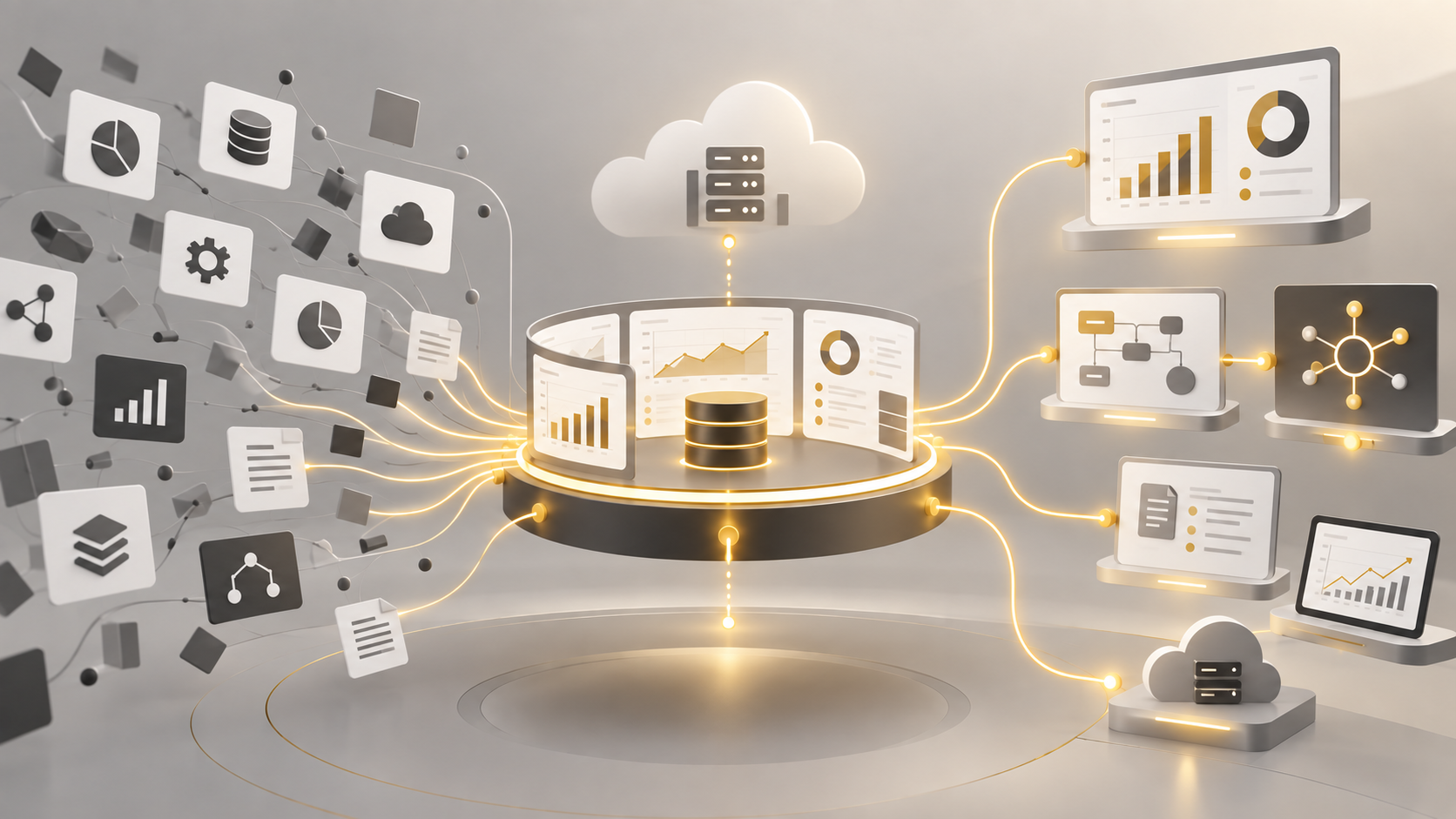
Manohar and Poornika are working on different parts of the same product journey. Manohar’s cloud application and infrastructure work creates the environment where data can move reliably, tools can scale, and users can access what they need. Poornika’s analytics engineering turns that foundation into dashboards people can explore, understand, and use. Each side informs the other: infrastructure decisions shape the dashboard experience, while dashboard needs reveal what the underlying platform must support.
Modern analytics teams often need more than one isolated dashboard or pipeline. They need tools that connect the full workflow: data ingestion, infrastructure, dashboards, and user experience.
From the cloud application side, that is the kind of work Manohar has been focused on: building smarter cloud-native applications that bring ingestion, dashboards, and scalable infrastructure management into one place.
One current example is a Streamlit-powered data app designed to streamline:
The goal is not just to build another internal tool. It is to create a smoother way for teams to manage complex analytics processes without adding unnecessary operational overhead.
That kind of work requires both cloud engineering and product thinking. A tool is only useful if it helps users move faster, make decisions with confidence, and avoid getting stuck in the technical details.
That foundation also shapes what Poornika can build on the analytics side. Reliable ingestion, access, and infrastructure give dashboards the consistent data and performance they need to become dependable decision-making tools.
A strong data product is not only about what users see on the screen. It is also about everything that makes the experience reliable behind the scenes.
For Manohar, that meant working through challenges like session state, cookies, and user experience while keeping security intact.
Those details may sound small, but they matter. If users lose context between steps, struggle with login/session behavior, or run into inconsistent behavior across workflows, trust in the product drops quickly.
That is why good engineering work often lives in the invisible layer. The smoother the experience feels, the more carefully the system was likely designed.
Those same experience questions continue inside the dashboard itself. Once users reach the data, Poornika’s work determines whether they can quickly understand it, explore it, and act with confidence.
On the dashboarding and analytics engineering side, Poornika’s work reflects another part of the same mission: transforming raw data into clear, actionable insights through interactive dashboards.
Her current focus has been building Superset dashboards that make complex data easier to explore and understand. That includes:
Dashboards are not just visual outputs. They are decision-making tools. When they are designed well, they help teams find the right signal quickly instead of forcing users to dig through raw tables, disconnected reports, or unclear metrics.
This is where thoughtful analytics engineering makes a real difference. The work is technical, but the outcome is practical: helping business users understand what is happening and what to do next.
That dashboard experience also sends requirements back into the cloud layer. Interactive visualizations, larger datasets, and changing user needs all affect how the application, infrastructure, and data workflows must be designed and scaled.
Getting dashboards into a reliable production environment also means solving the less glamorous but essential problems.
For Poornika, that included getting Superset to run locally, deploying it to AWS, fixing SQL errors between development and production environments, and resolving missing chart configurations.
Those are the kinds of challenges that often sit between a promising prototype and a usable product.
A dashboard that works once on a local machine is useful. A dashboard that can be deployed, maintained, tuned, and trusted is much more valuable.
That is why the learning does not stop after the first build. Poornika is continuing to explore advanced visualizations in Apache Superset, performance tuning, duplicate column handling, SQL query optimization, and preventing timeouts on large datasets.
Those next steps are exactly where analytics products become stronger over time.
This is where their work reconnects: Poornika’s deployment and performance challenges help define what the broader cloud environment must support, while Manohar’s application and infrastructure work helps create the reliable foundation those analytics experiences depend on.
Together, their work shows that a strong data product is not built in isolated layers. It emerges through constant feedback between infrastructure, application design, analytics engineering, and the people using the final experience.
At NexusLeap, we believe data products should help teams act with clarity.
That means building systems that are scalable, secure, and maintainable—but also usable. It means thinking about the experience of the person logging in, exploring a dashboard, refreshing data, or trusting an output in a meeting.
Coffee + Cloud gives a small behind-the-scenes look at how that happens.
It happens when engineers stay curious.
It happens when technical challenges become opportunities to improve the product.
It happens when cloud infrastructure, dashboard design, and user experience come together.
Most importantly, it happens through a team that keeps learning.
Curiosity and cloud engineering belong together.
Curiosity helps us ask better questions. Cloud engineering helps us build systems that can scale with the answers.
Whether the work is a Streamlit-powered data app, an interactive Superset dashboard, or the infrastructure behind both, the goal stays the same: turn complicated data workflows into clear, dependable tools for decision-making.
Stay tuned for the next Coffee + Cloud.
Answering Commonly Asked Questions.

At NexusLeap, we’re united by a singular mission: equip our clients with decision-making analytical tools.


Facilitates seamless business operations.
Copyright © 2024 by NexusLeap, LLC.